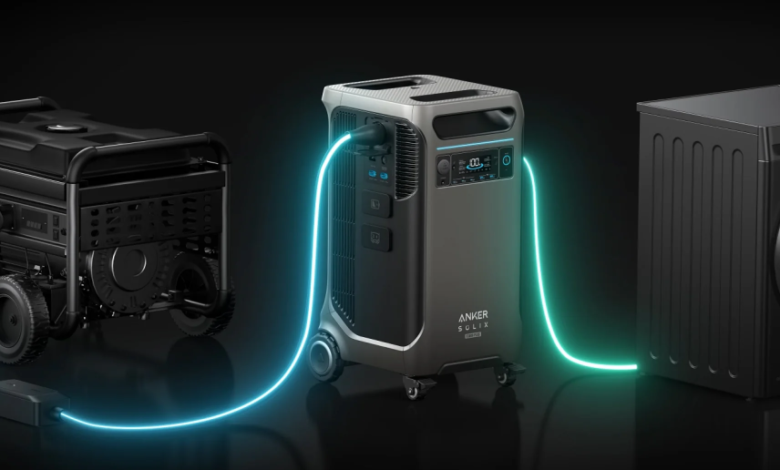
Portable solar power generators have become a practical solution for people who need reliable electricity without depending on the grid. These systems combine a battery, an inverter, and solar charging capability in one compact unit. Users can power devices, recharge electronics, and keep essentials running almost anywhere. People choose portable solar generators for one key reason: flexibility. Unlike fuel-powered generators, they run quietly and produce no emissions. They work indoors and outdoors. Users do not need gasoline, oil, or complex maintenance. As solar panel efficiency improves and battery technology advances, these generators now support more devices for longer periods. Different situations demand different power solutions. A camper may only need to charge phones and lights. A homeowner may want backup power during outages. A remote worker may rely on solar energy every day. Understanding the best use scenarios helps buyers choose the right capacity and features. This article explores the most common and practical use cases for portable solar power generator. It focuses on real-world needs and explains how these generators support outdoor adventures, emergency situations, and off-grid lifestyles.
When Do You Need a Portable Solar Generator for Outdoor Adventures?
Outdoor activities often take people far from traditional power sources. A portable solar generator offers a clean and reliable way to stay powered while enjoying nature.
Camping and Backpacking Trips
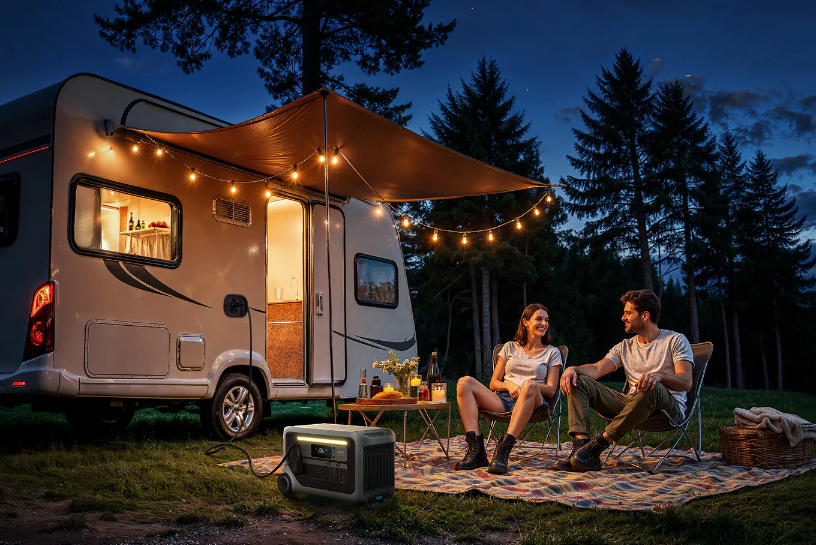
Camping trips often last several days, and modern campers bring more electronics than ever. Phones, headlamps, GPS devices, cameras, and portable speakers all require charging. A portable solar generator allows campers to keep these devices running without relying on disposable batteries. For car camping or base camps, users can power small appliances such as electric coolers, fans, or coffee makers. Solar panels recharge the generator during the day, reducing the need to ration power. Campers can enjoy comfort while minimizing environmental impact. Backpackers usually choose smaller, lightweight units. These generators handle essentials like phones and emergency communication devices. The ability to recharge using sunlight adds peace of mind on longer trips.
Hiking, Fishing, and Hunting Excursions
Day trips and multi-day excursions benefit from portable solar power as well. Hikers use power to navigate, track routes, and document experiences. A generator ensures that navigation apps and emergency devices stay charged. Fishing and hunting trips often involve remote locations. Portable generators can power fish finders, trail cameras, or small cooking equipment. Silent operation is especially important for hunters who need to avoid noise. Solar charging works well in open environments such as lakes, fields, and mountains. Users can set up panels while resting or setting camp.
Outdoor Events and Tailgating
Outdoor events create temporary power needs. Tailgating, festivals, and sports events often require electricity for lights, cooking equipment, and entertainment systems. A portable solar generator provides power without fumes or loud engine noise. Users can place it near seating areas without disturbing others. Many people prefer solar generators because they avoid fuel storage and reduce safety risks in crowded spaces.
How Can Portable Solar Generators Support Emergency and Backup Power?
Power outages can happen without warning. A portable solar generator offers a reliable backup that works even when fuel supplies are unavailable.
Home Emergency Backup During Power Outages
During blackouts, households need to keep essential devices running. A portable solar generator can power lights, phones, routers, and laptops. This keeps families connected and informed. Many users rely on generators to run small refrigerators or charge power banks. Even limited power helps preserve food and reduce stress. Because solar generators work indoors, they remain safe during storms or extreme weather. Solar charging allows users to extend runtime during prolonged outages. As long as sunlight is available, the generator can continue to recharge.
Natural Disasters and Extreme Weather Situations
Natural disasters often disrupt fuel supply chains. Gas stations may close, and fuel deliveries may stop. A solar generator eliminates reliance on fuel. People affected by hurricanes, floods, or earthquakes use portable solar power to charge communication devices and power emergency equipment. Relief workers and volunteers also rely on solar generators in temporary shelters. Durable designs and simple operation make these generators suitable for unpredictable conditions.
Medical Devices and Essential Electronics
Some people depend on medical devices that require electricity. Portable solar generators can power devices such as CPAP machines, oxygen concentrators, or mobility equipment during outages. Reliable backup power supports health and safety. Users can prepare in advance and test their systems before emergencies occur. This preparation reduces risk and increases confidence during critical situations.
See also: Tech & Texture: When Engineering Becomes Art
Portable Solar Power Generators for RV, Van Life, and Off-Grid Living
Many people now choose mobile or off-grid lifestyles. Portable solar generators play a central role in these setups.
RV Travel and Road Trips
RV travelers need power for appliances, lighting, and electronics. A portable solar generator complements onboard systems or replaces traditional generators. Travelers can park in remote locations and still enjoy electricity. Solar panels recharge the generator during the day, allowing continued use at night. This setup supports longer stays without hookups. Quiet operation improves comfort and respects nearby campers. Users avoid engine noise and fuel costs.
Van Life and Mobile Workstations
Van life requires efficient and flexible power solutions. Portable solar generators support laptops, monitors, routers, and cooking appliances. Remote workers rely on stable power to meet deadlines and attend virtual meetings. Solar generators adapt easily to limited space. Users can move units inside or outside as needed. Modular solar panels allow customization based on travel routes and sunlight conditions. This flexibility makes solar generators ideal for digital nomads and freelancers.
Cabins, Tiny Homes, and Remote Locations
Remote cabins and tiny homes often lack grid access. Portable solar generators provide a simple entry point into off-grid power. Users can start small and expand as energy needs grow. These generators power lighting, communication devices, and small appliances. Seasonal users appreciate easy setup and minimal maintenance. For people testing off-grid living, portable systems offer a low-risk way to explore solar energy without permanent installation.
Conclusion
Portable solar power generators serve a wide range of use scenarios. They support outdoor adventures, provide emergency backup, and enable off-grid lifestyles. Their quiet operation, clean energy, and flexible charging options make them suitable for many environments. Campers and travelers enjoy reliable power without disturbing nature. Homeowners gain peace of mind during outages. Remote workers and off-grid residents benefit from dependable solar energy wherever they go. Choosing the right generator depends on how and where it will be used. By understanding common use scenarios, users can select a system that meets their needs today and adapts to future demands. Portable solar power generators are no longer niche products. They have become practical tools for modern living in an increasingly mobile and unpredictable world.