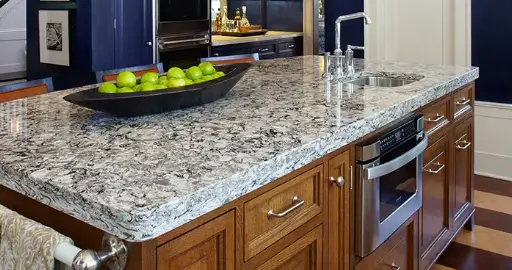
Choosing a granite kitchen benchtop often starts with colour and finish, but many homeowners overlook one critical factor until it’s too late: slab thickness. At first glance, the difference between 20mm and 30mm may seem minor, but it directly affects durability, installation, and long-term performance. What looks like a simple design choice can influence how well your benchtop handles daily use, weight, and structural stress. Understanding thickness early helps avoid costly adjustments during installation and ensures your kitchen performs as expected over time.
Why Granite Slab Thickness Matters
Granite is naturally strong, but thickness determines how that strength translates into real-world performance. A thicker slab provides greater structural stability, especially in areas where the benchtop spans across cabinets or includes cut-outs for sinks and cooktops. Thinner slabs can still perform well, but they depend more heavily on proper support and installation techniques.
Thickness also affects how the stone handles stress. Heavier usage areas, such as kitchen islands or preparation zones, benefit from thicker slabs because they are less likely to flex or crack under pressure. Another important factor is load distribution. A thicker slab spreads weight more evenly across the cabinetry, reducing strain on specific points. This becomes particularly relevant in larger kitchens or open-plan layouts where benchtops often extend further.
Common Granite Thickness Options
Most granite benchtops are available in two standard thicknesses: 20mm and 30mm. Each option has its own advantages depending on the application.
A 20mm slab is typically lighter and more suited to modern, minimalist designs. It offers a sleek appearance and is easier to handle during installation. However, it often requires additional structural support, such as a plywood base underneath, to maintain stability.
A 30mm slab, on the other hand, is considered the more robust option. It is thicker, heavier, and generally self-supporting when installed on cabinets. This makes it ideal for high-use areas or larger benchtops where durability is a priority.
The choice between these two is not just aesthetic. It directly impacts how the benchtop behaves over time and how it must be installed.
Impact of Thickness on Installation
Installation requirements vary significantly with slab thickness. A 20mm slab typically needs additional reinforcement to prevent movement or cracking. This may include sub-tops, brackets, or additional cabinetry support.
In contrast, a 30mm slab is more forgiving during installation. Because it is thicker, it can handle minor imperfections in cabinetry alignment and does not rely as heavily on supplementary support. This reduces the risk of stress points forming during or after installation. Thickness also affects handling. Thicker slabs are heavier, which can complicate transportation and installation. However, this added weight contributes to long-term stability once installed.
Another consideration is edge detailing. Thinner slabs often require fabricated edges to create a thicker visual appearance, which can add to labour and cost. Thicker slabs naturally provide a more substantial edge without additional work.
Long-Term Performance and Maintenance
Over time, slab thickness plays a major role in how well your benchtop holds up. Thicker granite is generally more resistant to cracking, especially around vulnerable areas such as sink cut-outs or corners.
Thinner slabs can still perform well, but they are more sensitive to installation quality. Any weakness in support or uneven pressure can increase the risk of damage over time. Durability also extends to daily wear. Kitchens are high-use environments, and thicker slabs tend to handle repeated impact, heat exposure, and heavy objects more effectively. This makes them a practical choice for households with frequent cooking or heavy usage.
Maintenance itself does not differ significantly between thicknesses, but the risk of repairs does. A thicker slab reduces the likelihood of structural issues, which can otherwise require costly fixes.
See also: The Rise of Electric Vehicles: Transforming Australian Homes with Smart Charging Stations
Why Proper Installation and Sealing Matter
Even the best slab thickness cannot compensate for poor installation. One of the most overlooked issues is improper sealing around edges and joints. Small gaps can form where the benchtop meets walls or cabinets, allowing moisture and debris to accumulate.
Over time, these gaps can become entry points for pests. This is where proper sealing becomes essential. A well-installed benchtop should have tightly sealed joints that prevent both moisture penetration and hidden build-up.
In some cases, unresolved gaps may require professional attention. These conditions often create hidden environments where pests begin to develop, which is why many homeowners eventually rely on pest control services even when the kitchen appears clean. Addressing these issues early through proper sealing and inspection significantly reduces long-term risk.
The key point is that installation quality and sealing are just as important as slab thickness. Without them, even a thick, durable slab can develop issues over time.
Conclusion
Granite slab thickness is not just a design preference. It directly influences durability, installation requirements, and long-term performance. While 20mm slabs offer a sleek and cost-effective option, they rely heavily on proper support. In contrast, 30mm slabs provide greater strength and stability, making them more suitable for high-use areas.
Choosing the right thickness should be based on how the space will be used, not just how it looks. Combined with proper installation and sealing, the right decision can prevent structural problems and ensure your benchtop remains reliable for years to come. Proper attention to these details also reduces the likelihood of hidden issues that may later require ongoing pest control services due to environmental and structural gaps.
FAQs
What thickness is best for granite benchtops?
It depends on usage. 30mm is generally better for durability and heavy use, while 20mm suits lighter applications and modern designs.
Is 20mm granite strong enough?
Yes, but it requires proper support during installation to prevent cracking or movement over time.
Does slab thickness affect cost?
Yes. Thicker slabs are usually more expensive due to increased material and handling requirements.
Do thicker slabs last longer?
In most cases, yes. They are more resistant to stress, cracking, and long-term wear.
Can thin slabs crack easily?
They are more prone to cracking if not properly supported, especially around cut-outs or high-pressure areas.
Why is proper sealing important for benchtops?
Sealing prevents moisture, debris, and pests from entering gaps, helping maintain hygiene and structural integrity.