It usually begins with something small. A skirting board sounds hollow, a door frame looks slightly uneven, or paint starts to bubble. At that point, most homeowners recognise that something is wrong and begin considering termite treatment. What often comes as a surprise is that the damage is rarely recent.
Termites do not appear suddenly and cause immediate visible problems. They operate silently, often for months or even years, before any clear signs appear. By the time damage becomes noticeable, the infestation is already well established. The real issue has been developing inside walls, beneath floors, and within structural timber long before any action is taken.
Understanding how termite activity progresses helps explain why early intervention is critical.
Why Termites Remain Undetected for Long Periods
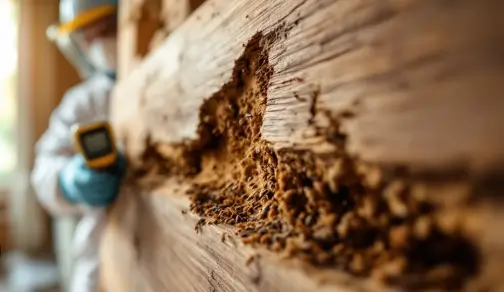
Termites are difficult to detect because of how they live and feed. Most species travel underground or within timber, using mud tunnels to protect themselves from light and air. They consume wood from the inside, leaving the outer surface largely intact.
This makes timber appear normal even when it has been significantly weakened internally. Homeowners often do not see insects, hear obvious sounds, or notice immediate changes. As a result, termite activity can continue unnoticed for extended periods.
Because there are few visible signs in the early stages, infestations often go undetected until damage becomes more advanced.
Where Termite Damage Commonly Begins
Damage typically starts in areas that are not regularly inspected. Subfloors are one of the most common entry points. These spaces provide moisture, darkness, and direct access to timber, creating ideal conditions for termite activity.
Timber framing inside walls is another high-risk area. Structural supports are hidden behind plaster, allowing termites to feed without interruption. Roof voids and wall cavities also become vulnerable as infestations spread.
Since these areas are rarely accessed during routine maintenance, termites are able to establish and expand their activity without being noticed.
How Damage Progresses Before Detection
Termite damage develops gradually but continuously. Colonies feed on timber every day, hollowing it out from within. Over time, this weakens the internal structure of the wood while leaving the surface intact.
In many cases, visible damage takes one to three years to appear. During this period, termites create tunnels inside timber, reducing its strength. Subtle changes may begin to occur, such as uneven floors, sticking doors, or minor distortions.
These signs are often dismissed as normal wear or environmental changes. By the time more obvious issues appear, such as sagging or cracking, the damage has usually spread across multiple structural areas.
Why Early Signs Are Often Missed
One of the main reasons termite damage is detected late is that early signs are easily misinterpreted. Bubbling paint may be mistaken for moisture problems, and slight warping in timber may be attributed to age or humidity.
Another factor is the absence of visible pests. Termites remain hidden inside timber and soil, so homeowners rarely see them directly. This creates the assumption that no infestation is present.
Infrequent inspections also contribute to the problem. Without regular checks, subtle indicators are overlooked, allowing termite activity to continue unchecked. By the time termite treatment is considered, the infestation has often reached an advanced stage.
The Influence of Building Conditions on Termite Activity
The condition of a building plays a significant role in termite risk. Moisture is one of the most important factors. Leaks, poor drainage, and inadequate ventilation create damp environments that attract termites.
Timber that remains damp for extended periods becomes more vulnerable to infestation. Structural gaps, cracks, and poorly sealed areas also provide entry points for termites to access the interior of a building.
Older buildings or those with limited maintenance are particularly at risk. Addressing these structural issues is essential for reducing the likelihood of termite activity and supporting long-term protection.
Environmental and Hygiene Factors That Increase Risk
Termite activity is also influenced by the surrounding environment. Organic waste, garden debris, and untreated timber near the property can attract termites and encourage them to establish colonies nearby.
In some cases, poor outdoor hygiene conditions contribute to the problem. Accumulated waste and moisture can create favourable conditions not only for termites but also for other pests. These environments increase the overall pressure on a property, making infestations more likely.
Maintaining clean outdoor spaces and managing waste effectively helps reduce these risks and supports better pest control outcomes.
See also: Embracing Smart Living: The Future of Homes in Malaysia
Why Termite Treatment Alone Is Not Enough
While termite treatment is essential for managing active infestations, it is not a complete solution on its own. Treatment addresses the current problem, but without resolving underlying conditions, termites may return.
Effective termite management requires a combination of treatment, inspection, and prevention. Regular inspections help detect activity early, while structural maintenance reduces entry points and moisture issues.
A proactive approach ensures that termite problems are identified and managed before they cause significant damage. This reduces both repair costs and long-term risk.
Why Early Detection Matters More Than Timing
Many homeowners believe that booking termite treatment as soon as visible damage appears is the most important step. However, the real advantage lies in early detection rather than reaction.
Regular inspections focus on identifying hidden activity before damage becomes visible. When termites are detected early, the extent of damage is significantly reduced, and treatment is more effective.
Waiting for visible signs means the infestation has already progressed. At that stage, treatment becomes reactive, and the structural impact has already occurred.
Conclusion
Termite damage rarely begins when it is first noticed. It develops quietly over time, often spreading through hidden areas of a property long before visible signs appear. By the time homeowners consider termite treatment, significant damage has usually already occurred.
Building conditions, environmental factors, and hygiene practices all influence the likelihood of infestation. Addressing these elements alongside treatment provides a more effective and long-term solution.
A proactive approach, focused on early detection and regular inspections, is the most reliable way to protect a property from extensive termite damage.
FAQs
1. Why is termite damage often discovered late?
Termites live inside timber and soil, making their activity difficult to detect until visible damage appears.
2. What are the early signs of termite activity?
Hollow-sounding wood, bubbling paint, sticking doors, and small cracks are common indicators.
3. How quickly can termites damage a home?
Damage develops gradually but can become significant within one to three years.
4. Do building conditions affect termite risk?
Yes, moisture, poor ventilation, and structural gaps increase the likelihood of infestation.
5. Is termite treatment enough to prevent future problems?
Treatment is important, but regular inspections and maintenance are also necessary for long-term prevention.
6. How often should termite inspections be done?
Annual inspections are generally recommended to detect activity early.