For many Australians struggling to deal with missing teeth, the idea of dental implants could be intimidating. The traditional procedure has always evoked the picture of spending considerable time in the dentist’s chair, experiencing some pain, followed by a recovery time that extends to several months. Although traditional treatments are reliable solutions that have worked for several decades, these aren’t necessarily the most pleasant experiences.
The good news is that the dental field is one that is constantly moving forward with new advances. In recent years, we have seen vast improvements that encompass not only the success rate of the dental implant but also the patient’s experience during and after the procedure. Advances in dental materials and information technology have changed and shaped the future of tooth replacement.
Better Healing – Superior Materials
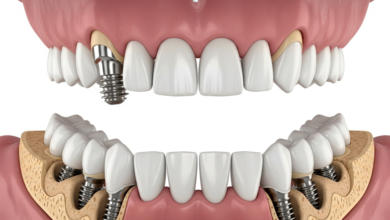
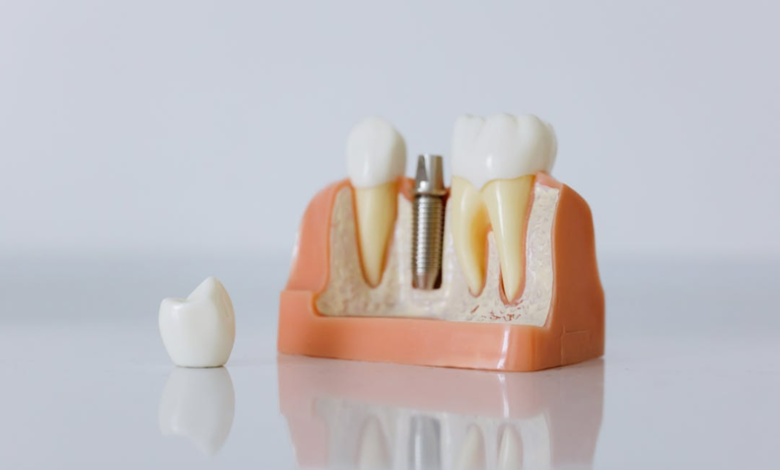
One of the biggest ways in which innovative implant procedures in the Central Coast has evolved is through the types of materials employed. For many years, titanium was considered to be the gold material due to its durability and biological compatibility for osseointegration. Today, titanium is still being utilised at a high level; however, the surface technology of the material has increased substantially. There is now a specialised surface coating to promote increased osseointegration.
Moreover, zirconia implants are a strong alternative. These implants are made of ceramics and are metal-free. Therefore, they are a good choice for patients who are sensitive to metal or those who practice a more holistic lifestyle. This biocompatible material allows the gum tissue to heal quickly around the implant, often reducing inflammation and giving a more natural gum margin shortly after the surgery.
Minimally Invasive Surgical Techniques
Dentists are also observing changes in the way implants are placed. Most of their procedures in the past were carried out in a way that involved lifting a substantial amount of gum tissue to see the position of the bone, thereby resulting in a high likelihood of swelling following the procedure. Flapless surgery has, however, minimised this procedure, requiring tiny incisions of the gum.
This is done while preserving the blood supply to both bone and soft tissue, which is essential for rapid healing. Patients that undergo a minimally invasive procedure usually experience little pain and inflammation. Furthermore, most patients will be able to go about their usual activities much sooner, in most cases within a day or two, without having to rest for an extended period.
The Precision of Digital Dentistry
Digital technology is the engine that powers fast recovery times. The use of 3D imaging and cone-beam computed tomography provides dentists with a blueprint of the patient’s dental structure before the surgery even starts. These blueprints are used to produce surgical guides, or a template that is placed on the patient’s teeth to guide the drill to where it needs to be.
With such accurate placement, there is no room for error or guesswork. Since the implant will be positioned exactly where it should be with little disruption to the surrounding tissue, the surgery poses less stress to the body. The procedure itself becomes more streamlined, and the lack of stress directly correlates to an easier recovery time.
See also: Naturopath London Ontario Comprehensive Guide to Natural Health Solutions
Prioritising Post-Operative Care
With the advances of modern technology, the importance of aftercare cannot be overemphasised. In modern dentistry, the focus of after-care is on creating a personal recovery plan, which involves much more than just a prescription. The dentist will provide the patient with detailed instructions on nutrition for bone healing, hygiene practices for the prevention of infection, and modifications of lifestyle for a successful implant integration.
A New Era for Dental Patients
All in all, the state of tooth replacement options has improved significantly today. Through integrating biologically compatible materials, conservative surgical approaches, and the use of digital planning, dentists can provide patients options that work within their busy schedule instead of against it. Now, if you have stalled on any kind of restorative work because you were worried about a lengthy recovery time, perhaps it’s finally time to go to your dentist and see how today’s options can work for you!