Yes, the world has become almost entirely digital, but that does not mean human oversight can be dispensed with. Machines are machines, and blind trust in their infallibility often leads to mistakes. Within the universe of cybersecurity, managed detection and response providers have become strategic allies by offering a hybrid model that integrates advanced automation with human supervision. Relying solely on automation can result in critical errors, while combining both approaches ensures a stronger defense.
A key reference in this type of service is LevelBlue. The cybersecurity leader designs MDR services that accelerate threat detection and guarantee contextualized, effective responses. Its proposal leverages the capacity of artificial intelligence to process large volumes of data, but always under the validation of experts who interpret each alert. This balance is essential to face sophisticated attacks, since machine speed does not always replace the intuition and judgment provided by analysts.
The current challenge lies in achieving a balance between automation and human oversight. The integration of AI into MDR services makes it possible to identify anomalous patterns and malicious activities that might go unnoticed in manual processes. However, it is human intervention that provides context, judgment, and decision-making capacity in complex scenarios. This hybrid model offers companies comprehensive protection that strengthens technical security and trust.
Automation in Cybersecurity: Why It Matters
Automation has revolutionized the way security teams confront digital threats. Thanks to technologies such as artificial intelligence and machine learning, it is now possible to analyze millions of events in seconds, identify suspicious patterns, and activate immediate responses. This level of efficiency allows organizations to reduce the risk of damage and operate without interruptions.
One of the main benefits of automation is its ability to provide 24/7 monitoring. Automated systems work tirelessly, detecting anomalies and freeing human teams from repetitive tasks. In this way, professionals can focus on designing stronger security strategies, while machines handle constant surveillance. Scalability is also a key factor: as companies grow, automation enables them to manage ever-increasing volumes of data and threats with the same effectiveness.
LevelBlue stands out by integrating automated solutions that accelerate incident detection and optimize the initial response. Its approach combines intelligent platforms with protocols designed to adapt to each organization’s existing infrastructure. Thus, corporations achieve a more agile and efficient defense, capable of anticipating sophisticated attacks.
However, relying exclusively on automation can create risks. Excessive dependence may lead to false alarms or the omission of critical signals that require human interpretation. That is why the real challenge is not choosing between automation and human oversight, but finding the right balance.
See also: Saniflo Blocked or Noisy? A Homeowner’s Guide to Macerator Maintenance
Human Oversight in Cybersecurity: The Third Eye
Automation has been a major addition to digital defense, but it still has limitations. This is where human oversight becomes indispensable: analysts provide context, judgment, and decision-making capacity, differentiating between legitimate activities and real threats. This intervention prevents unnecessary interruptions and ensures that protection remains aligned with business objectives.
Human participation also brings creativity and flexibility to problem-solving. Specialists can adapt protocols in real time, design innovative responses, and evaluate which risks are most critical. Unlike automation, which relies on predefined patterns, professionals interpret nuances and unprecedented scenarios, ensuring that organizations are prepared for all types of attacks.
LevelBlue reinforces the value of human oversight by integrating professional teams that work alongside automation to validate findings and coordinate strategic responses. Its hybrid model ensures that AI-generated alerts translate into effective actions, reducing the possibility of errors and strengthening trust. The combination of technology and human judgment turns security into an asset that protects the company as a whole.
Finding the Right Balance
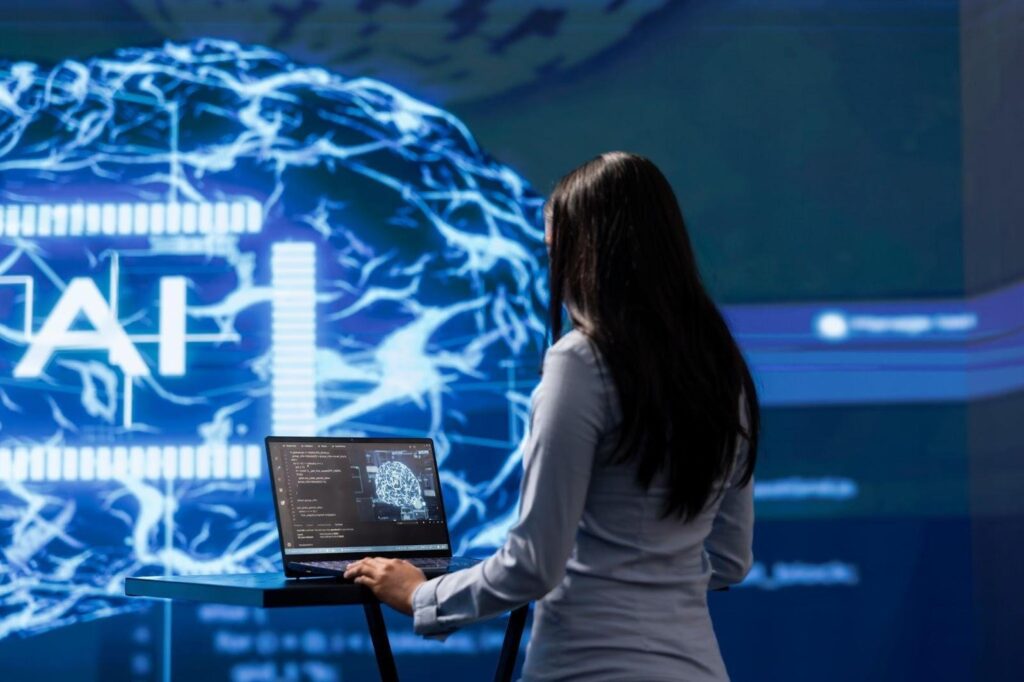
Achieving harmony between automation and human oversight in cybersecurity requires strategic planning. Organizations must understand automation as a force multiplier, capable of accelerating processes and expanding coverage, but never as a substitute for professionals. The true value arises when both approaches work together. To ensure the right balance, several best practices can be implemented.
Defining Clear Roles
It is essential to establish precisely which tasks should be automated and which require human judgment. Automation can handle massive pattern detection and immediate responses, while human analysts interpret context and make strategic decisions. This division of responsibilities avoids duplication and ensures that each resource is used to its maximum potential.
Continuous Training
Constant training of cybersecurity teams is another fundamental pillar. Threats and technologies evolve rapidly, so keeping professionals updated is key to complementing automation with expert knowledge. Training also fosters creativity in incident resolution and strengthens adaptability to unprecedented scenarios.
Regular Audits
Systematic reviews of automated systems ensure they function accurately and comply with regulations. Audits allow organizations to detect failures, adjust configurations, and validate that AI tools do not generate false positives that affect operations. This periodic control reinforces confidence in the hybrid model and ensures that automation remains aligned with corporate security objectives.
Collaborative Approach
Encouraging synergy between AI-driven tools and human analysts is vital to achieving comprehensive defense. Collaboration allows machines to provide speed and processing capacity, while experts add context and judgment. This joint approach turns security into a dynamic process.
Incident Response Manuals
Having protocols that combine automated processes with human decisions ensures faster and smarter responses. Automation can initiate immediate containment, but analysts determine the recovery strategy and future prevention. These integrated manuals reduce reaction time and guarantee that each incident is managed efficiently.
LevelBlue: Your Ally in the Hybrid Model
Automation and human oversight must coexist to guarantee a solid defense. LevelBlue’s proposal integrates advanced artificial intelligence with the expertise of specialized analysts, achieving a balance that maximizes efficiency and minimizes risks. This hybrid model turns security into a trusted ally, capable of protecting critical operations and safeguarding corporate reputation.