Unlocking Hidden Value: How Surplus Industrial Equipment Is Reshaping Manufacturing Strategy

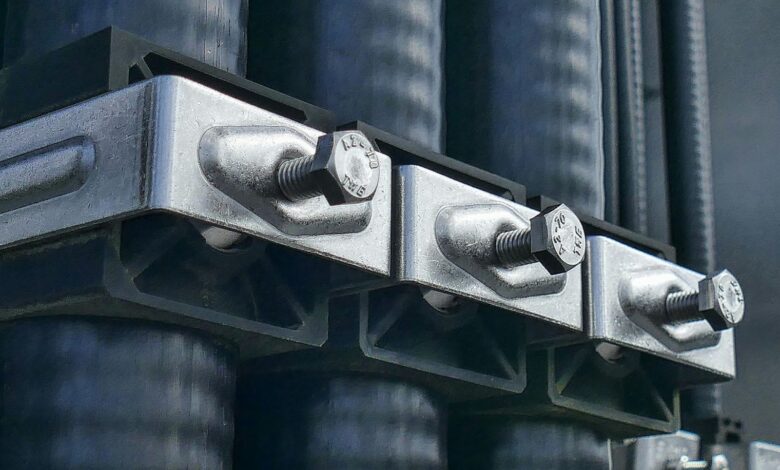
Walk through any industrial facility that has recently upgraded its operations, and you’ll likely find something interesting—perfectly functional equipment sitting idle. Not broken, not obsolete, just no longer needed in that specific setup.
For a long time, that kind of surplus was treated as a side effect of progress. Today, it’s becoming something else entirely: a strategic opportunity.
Manufacturers are starting to rethink how they approach equipment lifecycle management. Instead of focusing only on acquisition, they’re paying closer attention to reuse, redistribution, and optimization. Surplus industrial equipment is at the center of this shift, offering practical solutions to some of the most pressing challenges in modern manufacturing.
The Changing Perspective on Industrial Assets
From Depreciation to Opportunity
Traditionally, industrial equipment has been viewed through a financial lens—assets that depreciate over time until they are replaced. Once removed from active use, machinery often became a logistical burden.
That mindset is evolving. Companies are recognizing that value doesn’t disappear just because equipment is no longer part of a specific operation. In many cases, it remains highly functional and relevant in a different context.
This realization is driving a broader shift toward asset optimization rather than simple replacement.
Why Surplus Equipment Is Increasing
Several factors contribute to the growing volume of surplus equipment:
- Technological upgrades that outpace operational needs
- Facility closures or relocations
- Changes in product lines or production methods
- Mergers and restructuring within industries
Each of these scenarios creates equipment that still holds value but requires a new application.
The Rise of Surplus Equipment as a Strategic Resource
Meeting Demand Without Starting From Scratch
Building new industrial systems from the ground up takes time and significant capital. Surplus equipment offers a way to bypass these constraints.
By reusing existing machinery, manufacturers can establish or expand operations more quickly. This approach supports faster decision-making and reduces dependency on long production cycles.
Supporting Flexible Manufacturing Models
Modern manufacturing demands flexibility. Companies need to adapt to shifting demand, evolving technologies, and changing regulations.
Surplus equipment enables this adaptability. It allows manufacturers to test new processes, scale production, or enter new markets without committing to large upfront investments.
The Role of Surplus Industrial Equipment Solutions
Connecting Supply with Practical Demand
The emergence of structured surplus industrial equipment solutions, including those offered by International Process Plants, has made it easier for companies to access and utilize existing machinery. These solutions provide a bridge between organizations with surplus assets and those seeking cost-effective equipment.
Instead of navigating fragmented channels, manufacturers can explore curated inventories that include detailed specifications and performance data.
This streamlined approach reduces uncertainty and simplifies the sourcing process, making surplus equipment a viable option even for complex industrial applications.
Enhancing Confidence Through Transparency
Reliable solutions often include inspection reports, maintenance histories, and technical documentation. This level of transparency allows buyers to evaluate equipment with confidence.
As a result, surplus machinery is no longer viewed as a risky alternative—it’s increasingly seen as a smart, informed choice.
See also: Logitech z407 Manual
Economic Advantages That Go Beyond Cost Savings
Lower Capital Requirements
One of the most immediate benefits of surplus equipment is reduced cost. Pre-owned machinery is typically available at a fraction of the price of new systems, allowing companies to allocate capital more strategically.
This is particularly valuable for smaller manufacturers or those exploring new markets.
Faster Time to Production
Speed matters. Waiting months for new equipment can delay projects and impact profitability.
Surplus equipment, often ready for immediate deployment, shortens the timeline between investment and production. This allows companies to respond quickly to opportunities and market changes.
Sustainability and Resource Efficiency
Extending the Lifecycle of Equipment
Reusing industrial equipment is one of the most practical ways to improve sustainability. By extending the lifecycle of machinery, manufacturers reduce the need for new production and minimize waste.
This approach aligns with broader efforts to conserve resources and reduce environmental impact.
Aligning with Energy and Manufacturing Goals
Organizations like the U.S. Department of Energy emphasize efficiency and sustainability in industrial operations through initiatives such as advanced manufacturing and energy efficiency programs.
Surplus equipment supports these goals by promoting better use of existing resources, reducing the energy required for new manufacturing, and contributing to more sustainable production systems.
Engineering and Material Considerations
Ensuring Performance and Durability
Not all equipment ages the same way. The durability of industrial machinery depends on factors such as materials, operating conditions, and maintenance history.
Understanding these variables is essential when evaluating surplus equipment. High-quality materials and proper maintenance can significantly extend the useful life of machinery.
Learning from Material Performance in Other Industries
Insights from other sectors can provide valuable perspective. For example, examining how marine-grade materials outperform standard alternatives in demanding environments highlights the importance of durability and material selection.
Similar principles apply to industrial equipment, where robust construction can ensure long-term reliability even after years of use.
Practical Challenges and How to Address Them
Assessing Compatibility
Industrial systems are interconnected. Equipment must integrate seamlessly with existing processes, utilities, and control systems.
A thorough evaluation of compatibility helps prevent inefficiencies and ensures smooth operation.
Managing Logistics and Installation
Transporting and installing large-scale machinery requires careful planning. Factors such as shipping, site preparation, and commissioning must be coordinated effectively.
Working with experienced providers can simplify these processes and reduce potential risks.
Mitigating Uncertainty
Every equipment decision carries some level of uncertainty. Detailed inspections, clear documentation, and expert guidance are essential for minimizing risk and ensuring successful outcomes.
Looking Ahead: The Future of Surplus Equipment
The role of surplus equipment is expected to grow as manufacturers continue to prioritize efficiency and sustainability. Digital platforms are making it easier to locate, evaluate, and acquire machinery from across the globe.
At the same time, economic pressures are encouraging companies to find solutions that balance cost with performance.
As these trends continue, surplus equipment will likely become a standard part of industrial planning rather than an alternative option.
Conclusion
Surplus industrial equipment is no longer a byproduct of change—it’s a strategic resource that can drive efficiency, flexibility, and sustainability. By rethinking how machinery is sourced and utilized, manufacturers can unlock value that might otherwise remain untapped.
Structured solutions make it easier to connect supply with demand, providing access to reliable equipment without the delays and costs associated with new production. The benefits extend beyond economics, supporting environmental goals and more responsible use of resources.
As the manufacturing landscape continues to evolve, those who embrace surplus equipment strategies will be better positioned to adapt, innovate, and grow in a competitive and resource-conscious world.