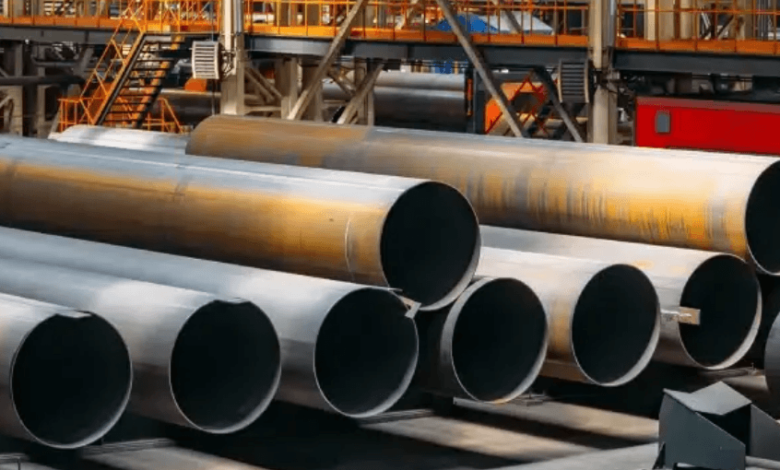
Hollow structural sections are popular building materials used in many construction and engineering projects. These steel tubes provide strong support while keeping weight low. They come in different shapes and sizes to fit various needs. In this article, we explain the main types of hollow structural sections, their features, and how people use them. We keep everything simple and clear so you can understand the basics easily.
What Are Hollow Structural Sections?
Hollow structural sections are steel tubes with an empty space inside. Engineers and builders call them HSS for short. Unlike solid steel bars, these sections have walls around a hollow center. This design makes them lighter but still very strong.
The hollow shape gives good resistance to bending and twisting. It also allows for better strength-to-weight ratio compared to solid sections. Factories produce these sections in standard sizes and lengths for easy use in buildings, bridges, and machines.
Hollow structural sections work well in both indoor and outdoor projects. They resist loads from wind, earthquakes, and heavy equipment. Many modern structures use them because they look clean and modern after painting or coating.
These sections come in different shapes. Each shape has its own strengths and best uses. Choosing the right type helps your project stay safe, cost-effective, and easy to build.
Main Types of Hollow Structural Sections
There are three primary types of hollow structural sections. Each type has unique features that suit different applications.
Rectangular Hollow Sections (RHS)
Rectangular hollow sections have a rectangular shape. Their width and height are usually different, with longer sides and shorter sides. This gives them good strength in one direction more than the other.
RHS are very common in construction. Builders use them for beams, columns, frames, and supports. Because of their flat sides, they are easy to connect to other materials like plates or walls. You can weld or bolt them without much trouble.
These sections come in many sizes. Thin walls work for light structures, while thicker walls handle heavy loads. Rectangular hollow sections also save space because they fit neatly against flat surfaces.
One advantage is their appearance. They give a clean, straight look to buildings and furniture frames. In warehouses and factories, you see them in roof trusses and support frames.
Square Hollow Sections (SHS)
Square hollow sections are similar to rectangular ones but with equal sides. They have the same width and height, creating a perfect square shape when you look at the end.
SHS offer balanced strength in all directions. This makes them ideal when loads can come from different angles. They are popular for columns, space frames, and architectural designs.
Because of their symmetric shape, square hollow sections are easy to work with. Cutting, drilling, and joining them takes less time. They also look very neat and modern, which is why architects like using them for visible structures.
You will find SHS in playground equipment, railings, signposts, and building facades. Their uniform shape helps in creating symmetrical designs. They are also good for furniture and display stands.
Circular Hollow Sections (CHS)
Circular hollow sections have a round shape. These are also known as round hollow sections or pipes in some cases.
CHS provide excellent strength against pressure from all sides. The round form spreads forces evenly, making them strong in compression and torsion. This shape is best for poles, columns, and structures that face wind or fluid pressure.
Many people use circular hollow sections for handrails, scaffolding, and vehicle frames. They are also common in bridges, towers, and offshore platforms.
The smooth round surface makes them easier to paint and clean. In fluid systems, they allow smooth flow inside when used as pipes. Their shape also looks attractive in modern architecture.
Circular hollow sections can be seamless or welded. Seamless ones are stronger for high-pressure uses, while welded ones are more affordable for general construction.
Other Less Common Types
Besides the main three, there are some special hollow structural sections. Elliptical hollow sections have an oval shape. They combine good looks with decent strength and are used in decorative structures or where space is limited.
Some manufacturers also produce custom shapes for special projects. However, most builders stick with rectangular, square, and circular types because they are readily available and well-tested.
How Hollow Structural Sections Are Made
Factories make hollow structural sections mainly from steel coils or plates. The common method is cold forming or hot forming.
In cold forming, steel strips are bent into shape at room temperature and then welded along the seam. This process is fast and produces accurate sizes.
Hot forming heats the steel first, shapes it, and then cools it down. This method creates stronger sections with better material properties for heavy loads.
After forming, the sections go through quality checks. Workers measure dimensions, check wall thickness, and test for strength. Many get coatings like galvanizing to prevent rust.
Standards organizations set rules for size, strength, and quality. Following these standards ensures the sections perform safely in real projects.
Common Uses of Hollow Structural Sections
Different types fit different jobs. Rectangular hollow sections often support floors and walls in buildings. Square ones work well as vertical columns. Circular sections are favorites for outdoor poles and railings.
In construction, you see them in shopping malls, stadiums, airports, and houses. They form the skeleton of the building before walls and roofs go on.
Transportation uses hollow structural sections in truck frames, train cars, and ship structures. Agriculture equipment like tractors also uses them for strength without extra weight.
Even in furniture and interior design, these sections create tables, chairs, and shelves. Their hollow nature allows wires and pipes to run inside for a clean look.
See also: Fax Services vs Traditional Fax Machines: Making the Right Choice for Your Business
Advantages of Hollow Structural Sections
Hollow structural sections offer many benefits. They are lighter than solid steel but still strong. This reduces the total weight of buildings and saves on foundation costs.
They have high torsional strength, meaning they resist twisting forces well. This is important in areas with strong winds or seismic activity.
Installation is faster because of their standard sizes and easy connection methods. Builders can cut and join them on site with common tools.
The hollow space can be used for running services like electrical cables or plumbing inside the structure. This keeps the building neat.
They also look good. Many projects leave them exposed as part of the architectural style. With proper coating, they last for decades even in tough weather.
Factors to Consider When Choosing Types
When selecting hollow structural sections, think about the load requirements first. Heavy structures need thicker walls and stronger grades of steel.
Consider the environment. Outdoor projects need good corrosion protection like galvanizing or painting. Indoor uses can have lighter coatings.
Budget plays a role too. Square and rectangular sections are often cheaper and easier to source than custom circular ones.
Check local building codes. Some areas require specific grades or testing for safety.
Always buy from reliable suppliers who provide test certificates and consistent quality.
A good example of quality options is available when you explore a hollow structural section range that meets various project needs.
Maintenance and Care
Hollow structural sections need some care to last longer. Regular inspection for rust or damage helps catch problems early. Touch up paint on exposed areas keeps protection strong.
In humid or coastal areas, choose galvanized versions for better rust resistance. Proper design that avoids water trapping also extends their life.
Final Thoughts
Hollow structural sections are versatile, strong, and practical for modern construction. The three main types – rectangular, square, and circular – cover most needs in building and engineering. Each type has features that make it suitable for specific jobs.
Understanding these types helps you choose the right material for your project. Whether you build a small frame or a large stadium, hollow structural sections can deliver good performance and value.
For more information on quality steel products, contact TUSPIPE. They offer a wide selection of hollow structural sections and expert support for your needs.