When Blame Gets Shared After a Crash
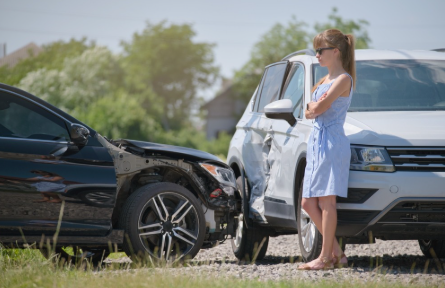
A car crash rarely feels simple. One moment you drive through Houston traffic. The next moment—metal bends, horns blare, and everything stops. Then comes the big question: who caused the crash? Most people assume fault sits with one driver. That sounds fair. But Texas law does not always see it that way. Sometimes more than one driver shares blame. This idea is called comparative fault. It may sound like a legal phrase from a law book. But the idea is plain. Each person’s actions get a score. That score shows how much they caused the crash. Let me explain with a simple picture. Think of fault like slices of a pie. One driver may hold 80% of the pie. Another driver may hold 20%. Both played a role, even if one made the larger mistake. For crash victims in Houston, this rule shapes how much money they can recover. And yes, the numbers matter a lot.
Texas Uses a “51 Percent Rule”
Texas follows what lawyers call modified comparative fault. That phrase sounds heavy. The rule behind it is not. If a crash victim is 50% or less at fault, they can still recover money. If they are 51% or more at fault, they get nothing. So the dividing line sits at 51 percent. Imagine this scene on Interstate 45. Driver A runs a red light. Driver B speeds slightly above the limit. A jury may decide Driver A holds 80% fault. Driver B holds 20%. Driver B can still collect damages. But their payment drops by 20%. It works like basic math. If the damage award equals $100,000 and fault equals 20%, the final amount becomes $80,000. Simple numbers. Huge impact.
Why Insurance Companies Care So Much
Here’s the thing many crash victims notice fast. Insurance companies study fault like detectives. Why? Because the fault percentage cuts their payout. Adjusters read police reports. They review photos. They check statements. They look at skid marks, phone records, and even traffic cameras. Sometimes they push hard to move more blame onto the victim. Even a small shift helps them. A claim worth $60,000 becomes $45,000 if fault shifts by 25%. That difference matters to insurers. So yes, the fault fight can get tense.
What Evidence Can Change Fault
Fault rarely rests on one piece of proof. It builds from several small facts. Some evidence appears at the crash scene. Other proof surfaces later.
Common examples include:
- Police crash reports
- Dash camera video
- Traffic camera footage
- Witness statements
- Vehicle damage patterns
- Phone records showing texting
- Medical records
- Accident reconstruction reports
Think of it like a puzzle. Each piece helps reveal the bigger picture. Sometimes a single photo flips the story. For example, skid marks can show a driver tried to stop. That detail may lower their share of fault. Little details matter more than people expect.
Houston Traffic Makes Fault Messy
Houston roads stay busy. Anyone who has driven the I-610 Loop or I-10 knows the feeling. Heavy lanes. Fast merges. Sudden stops. Under those conditions, fault may spread across more than one driver. Picture a chain-reaction crash. One car brakes hard. Another follows too close. A third driver checks a phone for two seconds. Now blame spreads. Comparative fault lets courts sort through that chaos. Each action gets weighed. Each mistake gets measured. Is the system perfect? Not really. But it tries to reach a fair result.
See also: How To Create A Powerful Injury Case As A Dog Bite Lawyer
The Moments After a Crash Matter
What happens right after a crash can shape a claim later. It feels strange to think about proof while standing beside a wrecked car. Yet those moments help protect a case.
Victims should try to:
- Call police and request a report
- Take photos of the vehicles and road
- Gather witness names
- Seek medical care quickly
- Avoid admitting fault at the scene
That last point surprises people. Saying “I’m sorry” feels natural. We say it out of kindness. But insurers sometimes twist that phrase into an admission of fault. Better to stay calm and speak with facts.
When Legal Help Makes a Difference
Some crash claims stay simple. A clear rear-end collision. Strong police report. No dispute about blame. Other cases grow messy fast. Maybe both drivers claim the green light. Maybe several vehicles pile up. Maybe the insurer pushes a high fault share onto the victim. This is where Schechter, Shaffer & Harris, LLP – Accident & Injury Attorneys helps. Lawyers review crash evidence and push back against unfair blame. They may work with accident reconstruction experts or traffic engineers. These experts study speed, braking, and impact angles. Their reports can shift fault percentages in a big way. Sometimes that shift means tens of thousands of dollars.
Damages That May Be Reduced by Fault
Comparative fault affects all damages tied to the crash.
These often include:
- Medical bills
- Future treatment costs
- Lost wages
- Reduced earning ability
- Pain and suffering
- Vehicle damage
Every category can shrink if the victim shares blame. That is why fault disputes matter so much in Texas claims.
A Quick Reality Check
People often expect fault to be obvious. Sometimes it is. Other times the story changes as evidence grows. Witnesses recall new details. Video footage appears weeks later. Medical experts link injuries to crash force. Cases shift. Numbers shift too. That is normal in injury claims.
Frequently Asked Questions
1. What does comparative fault mean in a Houston car crash case?
Comparative fault means more than one driver may share blame for a crash. Texas assigns each person a percentage of fault. A victim can recover damages if their share stays at 50% or less.
2. Can I still recover money if I was partly at fault?
Yes. Texas law allows recovery when fault stays below 51%. The payment simply drops by the same percentage as the victim’s fault. For example, a 20% fault share reduces damages by 20%.
3. Who decides the fault percentage in a crash case?
Insurance adjusters often estimate fault early. If the claim reaches court, a judge or jury decides the final percentage after reviewing the evidence.
4. What evidence helps prove the other driver caused the crash?
Strong proof may include police reports, witness accounts, dash cam footage, traffic camera video, and accident reconstruction analysis. Medical records also help show how the crash caused injuries.
5. Should I talk to a lawyer after a Houston car crash?
Many victims speak with a lawyer when fault becomes disputed. Legal practice help can protect evidence, challenge unfair blame, and help recover the full value of a claim.
Final Thought
Houston drivers know traffic can turn wild in seconds. A crash shakes people up. Injuries follow. Bills pile up. Then fault arguments begin. Comparative fault may sound like dry legal theory. But for crash victims, it shapes the outcome of a claim. The key idea stays simple: blame gets measured, and payment follows that number. Understanding that rule early helps victims protect their rights—and avoid costly surprises later.