If you’ve ever worked inside a mental health clinic, you already know the real challenge isn’t just the clinical work—it’s everything around it. Calls coming in, messages waiting for replies, appointments to manage, notes to finish… and somehow it all needs to stay organized.
That’s why more practices are starting to rely on both a mental health EMR and medical CRM system—not because it sounds advanced, but because it actually makes daily work easier.
What It Looks Like Without the Right Setup
In a lot of clinics, things are still handled in pieces.
A therapist finishes a session and writes notes in the EMR. Meanwhile, the front desk might be tracking patient calls in a spreadsheet or a separate tool. Follow-ups depend on someone remembering to send them. If a patient calls back, there’s often a pause while staff try to figure out the context.
Nothing is completely broken—but it’s not smooth either.
And over time, these small gaps start to show up as missed messages, delayed responses, or simple confusion.
See also: Why Internal Door Locks Are Perfect for Home Offices
Where EMR and CRM Fit In (In Plain Terms)
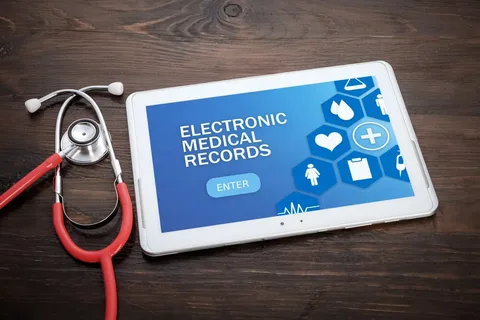
A mental health EMR is where the clinical side lives. It’s used for session notes, treatment plans, and patient history. It helps providers stay organized with care.
A medical CRM system is more about communication. It keeps track of patient interactions—calls, emails, reminders, and follow-ups.
You can think of it this way:
- EMR = what happens during care
- CRM = what happens around care
Both matter. And when they don’t connect, you feel it.
What Changes When They Work Together
When these two systems are connected, things just start to flow better.
A new patient reaches out—maybe through a form or a call. That gets recorded. When they book a session, their details are already there. After the appointment, any follow-up (like reminders or check-ins) happens without someone having to manually track it.
There’s less repeating information. Less switching between tools. Fewer chances for something to slip through.
That’s the kind of setup platforms like Opus EHR are aiming for—keeping everything connected so the workday feels manageable.
The Small Things That Actually Make a Big Difference
You won’t always notice this in reports or numbers, but you will notice it in your routine.
- You don’t have to search in multiple places to understand a patient’s situation.
- You’re not relying on memory to send follow-ups.
- When a patient calls, you already have the full picture in front of you.
- The day feels less rushed and more under control.
It’s not about saving hours all at once—it’s about saving minutes again and again.
Why This Matters More in Mental Health
Mental health care depends a lot on consistency. Patients need to feel supported not just during sessions, but in between them too.
If communication is slow or disorganized, it can affect trust. On the other hand, when everything feels smooth—easy booking, timely reminders, clear communication—it helps patients stay engaged.
And that’s half the battle in mental health care.
Picking Something That Actually Works
Not every system combination will feel right. Some tools technically “integrate,” but still require extra steps or manual fixes.
That’s why many clinics prefer solutions like Opus EHR, where EMR and CRM features are built to work together from the start, instead of being added later.
Because at the end of the day, no one wants more software—they just want fewer headaches.
Final Thought
Using a mental health EMR and medical CRM system isn’t about making things complicated. It’s actually the opposite.
It’s about cutting down the small frustrations that slow you down—so your focus stays where it should be: on your patients, not your tools.