Working at height is among the most dangerous activities in construction, manufacturing, industrial maintenance, and infrastructure projects. Falls from height consistently rank as a leading cause of severe injuries and workplace fatalities worldwide. Tasks such as climbing ladders, working on rooftops, or maintaining heavy equipment expose workers to sudden loss of balance or unstable surfaces.
Even a minor slip can lead to life-threatening consequences. This makes fall protection essential for safeguarding workers, reducing accident frequency, limiting injury severity, and creating safer, more controlled working environments at height.
The Importance of Fall Protection in Modern Workplaces
Fall protection refers to a suite of equipment, systems, and procedures designed to prevent workers from experiencing unprotected falls or to reduce injury severity should a fall occur. It is not a single device or tool, but rather a coordinated strategy involving multiple safety measures. According to international safety discussions, effective protection systems encompass fall arrest, fall restraint, and positioning solutions that collectively mitigate risk and enhance worker safety.
In real‑world environments, fall incidents often happen unexpectedly due to unstable surfaces, adverse weather, fatigue, or momentary loss of balance. Without proper protection, even a short fall can result in severe injury. By integrating protection systems across a worksite, organizations create a safety net that significantly reduces the frequency and severity of workplace accidents.
What Makes Integrated Systems Different?
Traditionally, protection against falls was reactive and piecemeal: employers might install guardrails only on certain edges, or workers might use harnesses sporadically. In contrast, integrated protection systems are designed to coordinate multiple protective elements into a unified safety framework that covers the worksite comprehensively rather than in isolated sections.
Integrated systems typically include:
- Anchorage and support structures to secure workers at various heights.
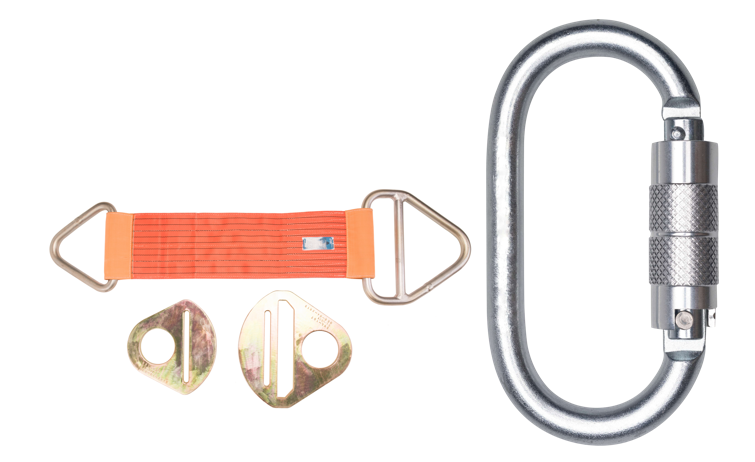
- Harnesses and lanyards that absorb shock and reduce fall impact.
- Horizontal and vertical lifelines enable safe movement along elevated surfaces.
- Guardrails and protective barriers to prevent falls in the first place.
Together, these components form a cohesive system that safeguards workers not only when working at height but also as they walk, climb, or transition between levels.
How Integrated Systems Prevent Accidents
1. Continuous Coverage Across Work Zones
One of the biggest strengths of integrated protection against falls is continuous coverage. Horizontal lifelines and permanent lifeline systems stretch across rooftops, platforms, and elevated walkways, giving workers a consistent attachment point as they move. This continuous protection removes gaps that typically exist when relying on temporary or portable solutions.
For example, horizontal lifelines anchored along a roof’s edge allow workers to travel laterally without constantly disconnecting and reconnecting to new anchor points. This not only speeds up work but also significantly reduces the chances of a worker being unsecured at any moment.
2. Immediate Arrest of Falls
Despite all precautions, falls may still occur. Integrated protection against falls systems are designed to minimize damage if that happens. Fall arrest systems, including shock‑absorbing lanyards and self‑retracting lifelines, engage instantly to stop a fall in progress and slow the worker’s descent safely before they hit a lower surface.
These components are engineered to distribute the force exerted during a fall across the body harness and absorb shock, which significantly lowers the risk of injury.
3. Prevention Before Occurrence
Not all protection against falls systems act after a fall begins. Many solutions focus on prevention. Guardrails, safety nets, and perimeter barriers provide a physical boundary that stops workers from reaching hazardous edges in the first place. These measures are especially effective on construction sites, platforms, and industrial spaces where unprotected edges are a major hazard.
Integrated systems blend these preventive elements with more active protection methods to create a layered defense.
4. Adaptation to Multiple Work Environments
Worksites vary widely: building sites might have uneven surfaces and temporary structures, while industrial plants might include fixed ladders, mezzanines, or rooftops. Integrated fall protection systems adapt to diverse conditions, from vertical lifelines for climbing fixed ladders to inclined systems for sloped roofs.
Vertical systems, for instance, allow workers to ascend and descend safely by maintaining a connection to a lifeline at all times. This is particularly valuable in confined spaces or high‑rise structures.
5. Encouraging Consistent Use Through Ease of Access
Modern protection against falls solutions are also designed for usability. When workers find safety systems easy to anchor to and comfortable to wear, they’re more likely to use them consistently. Ergonomic harnesses and retractable life lines ensure that safety does not come at the cost of mobility or comfort, encouraging compliance with safety best practices.
See also: Exploring How Technology Shapes Sustainable Living
The Role of Training and Maintenance
Even the most advanced integrated protection against falls system is only as effective as its implementation. Worker training, regular inspection, and proper maintenance are essential parts of the overall safety strategy.
Competent personnel must be trained to:
- Conduct hazard assessments.
- Inspect the protection against falls equipment regularly.
- Install and adjust systems according to site conditions.
- Respond appropriately in emergency scenarios.
When companies invest in training and upkeep, the systems achieve maximum effectiveness, further minimizing the likelihood of accidents caused by misuse or equipment failure.
Measuring the Impact on Safety Outcomes
Companies that adopt integrated protection against falls frameworks often see measurable improvements in safety metrics. These include:
- Reduced the number of slip and fall incidents
- Lower injury severity scores
- Increased worker confidence and productivity
- Compliance with regulatory safety standards
By addressing the root causes of falls and ensuring that protections are in place at every stage of work at height, integrated systems contribute to a safer, more reliable work environment.
Conclusion
Integrated fall protection systems are not just about individual components like harnesses or lifelines. They are about weaving those elements together into a thoughtful safety strategy that addresses risk, prevents accidents before they occur, and protects workers if they do fall. Through continuous coverage, prevention, immediate arrest mechanisms, adaptability, and training, these systems minimize workplace accidents and create safer environments for workers operating at height.
For industries focused on safety, compliance, and long-term risk reduction, Delta Plus provides comprehensive protection against falls solutions for work at height. Their experienced team delivers customized system design, reliable equipment, professional installation, and regular inspection services aligned with safety requirements. With a strong focus on prevention, durability, and practical usability, Delta Plus helps organizations reduce risks, protect workers, and maintain safer worksites across diverse industries.