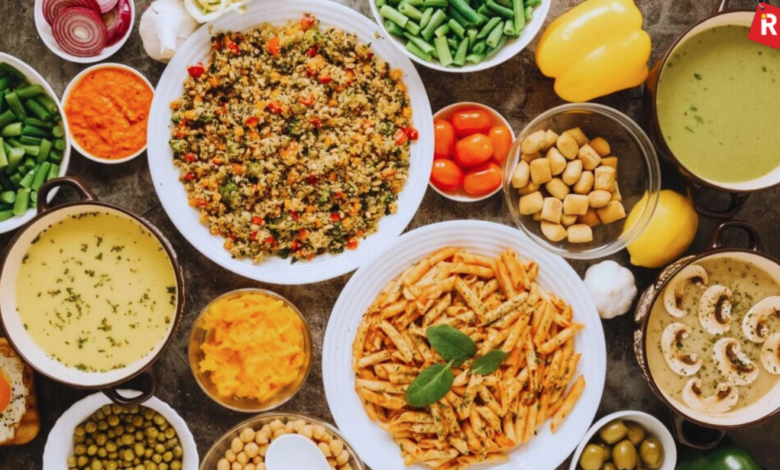
Protein isn’t just for gym-goers. It’s the building block of your body, helping with muscle repair, immunity, hormones, and even skin health. The common myth? That vegetarians struggle to get enough protein. Here’s the thing — India actually has a rich variety of vegetarian protein sources. You just need to know how to combine them smartly. Let’s break it down in a practical, no-nonsense way.
Why Protein Matters More Than You Think
Protein supports:
- Muscle growth and recovery
- Hair, skin, and nail health
- Strong immunity
- Better metabolism
For most adults, daily protein needs range between 0.8–1.2 grams per kg of body weight, depending on activity levels. The challenge isn’t lack of options. It’s lack of awareness.
See also: How Your Smile Affects Your Life: The Link Between Oral Health and Overall Wellbeing
Top High-Protein Vegetarian Foods in India
- Lentils (Dal) – The Everyday Protein Hero
If there’s one staple you shouldn’t ignore, it’s dal.
Protein: ~7–9g per cooked cup
Types: Moong, masoor, toor, urad
Dal is affordable, easy to cook, and part of almost every Indian meal. Pair it with rice or roti, and you get a complete amino acid profile. Pro tip: Mix different dals to boost nutritional value. - Paneer – The Vegetarian Powerhouse
Paneer is a favorite for a reason.
Protein: ~18g per 100g
Rich in calcium and healthy fats
It’s versatile — from bhurji to tikka — and keeps you full for longer. Watch out: If you’re managing calories, go easy on the oil-heavy versions. - Chickpeas (Chana) – Protein + Fiber Combo
Whether it’s chole or roasted chana, this legume packs a punch.
Protein: ~15g per cup (cooked)
Also rich in iron and fiber
It’s great for sustained energy, making it ideal for busy days. - Soy Products – The Protein Champion
Soy is one of the few plant-based sources that offers complete protein.
Soy chunks: ~52g protein per 100g (dry)
Tofu: ~8g per 100g
If you’re serious about increasing protein intake, soy should be on your plate regularly. - Greek Yogurt (Hung Curd)
Regular curd is good, but hung curd is better for protein.
Protein: ~10g per 100g
Supports gut health
It’s a simple upgrade that makes a noticeable difference in your daily intake. - Peanuts – The Affordable Superfood
Peanuts are often overlooked, but they’re incredibly nutritious.
Protein: ~26g per 100g
Healthy fats for sustained energy
Roasted peanuts or peanut chutney can easily fit into your routine. - Quinoa – The Modern Addition
Not traditionally Indian, but gaining popularity fast.
Protein: ~8g per cup
Contains all essential amino acids
Great alternative to rice when you want a protein boost. - Rajma (Kidney Beans)
Comfort food that’s actually nutritious.
Protein: ~15g per cup
High in fiber and minerals
Pair it with rice, and you’ve got a balanced meal. - Almonds and Seeds
Small in size, big in nutrition.
Almonds: ~21g protein per 100g
Pumpkin seeds, chia seeds, flaxseeds also help
Perfect for snacking or adding to smoothies. - Sprouts – Live Nutrition
Sprouting increases protein availability and digestion.
Protein: ~14g per cup (mixed sprouts)
Easy to prepare and great for breakfast or evening snacks.
How to Build a High-Protein Vegetarian Diet
Just eating one “high-protein” food isn’t enough. The real trick is combination. Here’s a simple structure:
- Breakfast: Sprouts + curd
- Lunch: Dal + roti + paneer sabzi
- Snack: Peanuts or almonds
- Dinner: Rajma or tofu with vegetables
Consistency matters more than perfection.
Common Mistakes Vegetarians Make
- Relying Only on Carbs: Too much rice or roti without protein leads to imbalance.
- Ignoring Portion Sizes: A small serving of dal won’t meet your protein needs.
- Not Mixing Foods: Combining grains and legumes improves protein quality.
Protein and Modern Lifestyle
Today’s fast-paced lifestyle, especially in urban setups like those influenced by bangalore pharma companies, demands better nutrition awareness. Long working hours and sedentary habits make protein even more essential.
Similarly, workplaces using best hrms software are now focusing on employee wellness programs. Nutrition, especially protein intake, is becoming part of corporate health strategies.
Even industries like pharma contract manufacturing emphasize nutrition research and dietary supplements, highlighting how crucial balanced diets are in modern life.
What this really means is — protein isn’t just a fitness trend anymore. It’s a necessity.
Do You Need Protein Supplements?
Not always. If your diet includes:
- Dal
- Paneer or tofu
- Nuts and seeds
…you can meet your protein needs naturally. Supplements are only helpful if:
- You have higher protein requirements
- You struggle to meet intake through food
Final Thoughts
Being vegetarian in India is not a limitation. In fact, it’s an advantage if you know how to use traditional foods wisely. Focus on:
- Variety
- Balance
- Consistency
That’s all it takes.