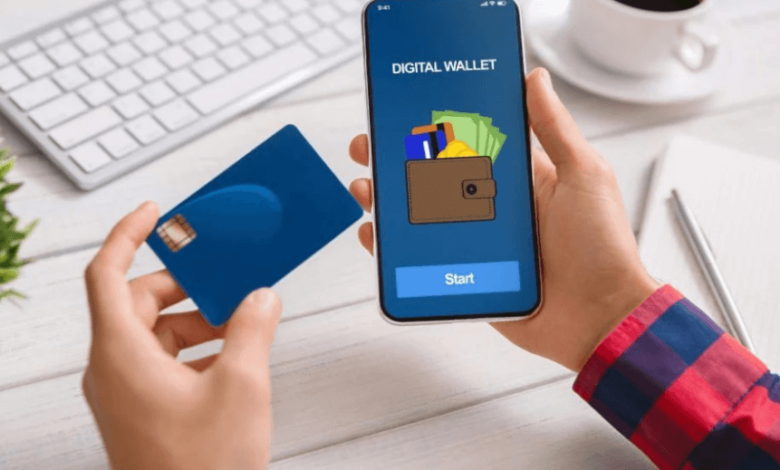
A digital currency wallet app has become more than just a storage tool, it is now a complete gateway to managing, transferring, and exchanging assets across global networks. As cryptocurrency adoption continues to expand, users expect faster access, stronger security, and smoother transaction experiences from mobile-first platforms. This shift has encouraged the development of highly integrated solutions that combine wallets, trading systems, and payment tools into one unified interface. The evolution of these platforms is not just about technology advancement but also about reshaping how individuals interact with money in a decentralized world. Modern users want simplicity without compromising control, and that balance is driving the next wave of innovation in digital finance.
The Evolution of Mobile-First Crypto Access Systems
The journey from traditional financial systems to mobile crypto platforms has been gradual but transformative. Early cryptocurrency tools were desktop-based, often requiring technical knowledge and manual configurations. Over time, the demand for convenience led to mobile-first ecosystems that allow users to manage assets on the go. This shift reflects a broader change in user behavior, where financial management is expected to be as seamless as messaging or browsing apps.
Mobile accessibility has played a critical role in bringing cryptocurrency closer to everyday users. Instead of relying on centralized banking hours or complex trading dashboards, individuals can now perform transactions instantly from their smartphones. This accessibility has significantly expanded participation in the crypto economy, especially among younger, tech-savvy users.
Foundational Architecture Behind Modern Wallet Ecosystems
At the core of every advanced crypto platform lies a structured architecture designed to ensure speed, scalability, and reliability. These systems are typically built using layered frameworks that separate user interface functions from transaction processing engines. This separation ensures smoother performance even during high network traffic conditions.
Modern platforms also integrate blockchain nodes, API connectors, and liquidity management systems to enable real-time data synchronization. These technical foundations allow users to view accurate balances, execute trades, and monitor price movements without delays. The efficiency of these systems determines how responsive and trustworthy a platform feels to its users. A well-designed digital currency wallet app further enhances this ecosystem by ensuring seamless interaction between storage, trading, and transfer functions in real time.
Strengthening Security in Digital Asset Environments
Security remains one of the most critical components in the crypto ecosystem. With increasing cyber threats and phishing attempts, platforms must adopt multi-layered protection mechanisms to safeguard user funds. Encryption protocols, biometric authentication, and decentralized storage systems are now standard features in advanced wallet applications.
In addition to technical safeguards, behavioral monitoring systems are used to detect unusual activity patterns. These systems help identify unauthorized access attempts before they result in financial loss. The emphasis on security is not only about protecting assets but also about building long-term trust among users who rely on digital platforms for financial management.
Enhancing User Experience in Crypto Transactions
User experience plays a vital role in the adoption of any financial application. Crypto platforms that prioritize simplicity and clarity tend to perform better in user retention. A well-designed interface allows users to execute transactions, check portfolio performance, and manage assets without confusion.
Smooth navigation, real-time updates, and intuitive design elements reduce the learning curve for beginners. At the same time, advanced users benefit from detailed analytics and customizable dashboards. This balance between simplicity and functionality is essential for creating inclusive platforms that serve a wide audience.
The Growing Importance of Instant Exchange Capabilities
One of the most significant advancements in crypto platforms is the integration of instant exchange systems. A mobile crypto exchange app enables users to convert assets quickly without relying on external trading platforms. This feature eliminates delays and reduces dependency on third-party services.
Instant exchange functionality is particularly useful in volatile markets where timing plays a crucial role. Users can react quickly to price fluctuations and optimize their portfolios without missing opportunities. This level of responsiveness enhances financial control and makes crypto trading more practical for everyday users.
Expanding Global Transactions and Financial Accessibility
Cryptocurrency platforms are increasingly bridging gaps in global financial accessibility. Cross-border payments, once slow and expensive through traditional banking systems, have become faster and more cost-effective through blockchain-based solutions. Users can send and receive funds internationally without worrying about currency conversion delays or high transaction fees.
This global accessibility has opened new opportunities for freelancers, businesses, and individuals in regions with limited banking infrastructure. By removing traditional barriers, crypto platforms are enabling a more inclusive financial ecosystem where participation is not restricted by geography.
Integration with Emerging Web3 Ecosystems
The evolution of crypto platforms is closely tied to the growth of Web3 technologies. Decentralized applications, smart contracts, and tokenized assets are becoming integral parts of the digital finance experience. Modern wallet systems are now designed to interact seamlessly with these decentralized environments.
This integration allows users to participate in staking, yield farming, and NFT transactions directly from their mobile applications. As Web3 continues to expand, crypto wallets are transforming into multifunctional tools that go far beyond simple asset storage. They are becoming digital identity hubs and gateways to decentralized economies.
Conclusion
The future of digital finance is being shaped by platforms that combine accessibility, security, and innovation into a single ecosystem. These systems are steadily redefining how individuals store, transfer, and grow their digital assets with greater independence and speed. As blockchain adoption expands, users are also gaining more control over their financial decisions without relying heavily on traditional intermediaries. This shift is encouraging a more decentralized and user-driven economy where transparency and efficiency play a central role. Over time, solutions like a mobile crypto exchange app will continue to strengthen this transformation by making global transactions more seamless and immediate.
As users continue to seek more efficient ways to manage digital assets, solutions like Walleti are positioning themselves within this evolving landscape by offering integrated tools that simplify crypto management and transactions while aligning with the growing expectations of a decentralized financial world.