California is stricter than most states about who may take a deposition and where it may be held. Those rules are not obscure, but they are easy to overlook until a transcript’s admissibility is questioned or a deponent objects to the location, and by then the fix is expensive. For counsel working matters in San Diego County, understanding the constraints is the first step toward a record that holds up, and it is a large part of why NAEGELI Deposition & Trial maintains a staffed office in La Jolla rather than treating the region as a coverage area.
What follows is general information about California practice rather than legal advice, and specific matters should be checked against the current code and local rules.
What California Rules Mean for a San Diego County Deposition
A County the Size of a Small State
San Diego County covers roughly 4,200 square miles, running from the Pacific coast through inland valleys to the desert. The Superior Court operates accordingly, with divisions spread across the county rather than concentrated downtown. Central Division matters are heard in downtown San Diego, while separate facilities serve North County in Vista, East County in El Cajon, and South County in Chula Vista, with juvenile matters heard at Kearny Mesa. A witness in Fallbrook and a witness in Chula Vista may be parties to the same case while living more than fifty miles apart.
That spread is not merely inconvenient. It interacts directly with the statute governing where a deposition may be held.
See also: How to make smarter technology decisions in a complex market
The Seventy-Five Mile Rule
Under California Code of Civil Procedure section 2025.250, the deposition of a natural person, party or not, must be taken either within 75 miles of that person’s residence, or within the county where the action is pending and within 150 miles of the residence. The choice between those two options belongs to the party noticing the deposition. Depositions of organizations follow parallel rules measured from the principal executive or business office in California, and a non-party organization cannot be dragged beyond 75 miles of that office without consent.
The practical upshot for San Diego practice is that the forum county option carries real weight here. Because the county is large, a downtown or coastal venue can remain compliant for a deponent living well inland, provided the 150-mile ceiling is respected. Counsel who want a deponent to travel further than the statute permits must move under section 2025.260, which requires a meet and confer declaration and asks the court to weigh factors including the expense to the parties and where the deponent will actually be when the deposition is scheduled. That motion is winnable, but it costs time no one usually has.
Only a Certified Shorthand Reporter Can Take the Record
This is the requirement that catches out-of-state firms most often. In California, the verbatim record of a deposition must be made by a licensed Certified Shorthand Reporter, a credential issued by the Court Reporters Board of California under Business and Professions Code sections 8000 through 8031. Licensure requires approved training, passage of written and skills examinations, and annual renewal, and licensees remain subject to Board jurisdiction and complaint procedures.
Two practical consequences follow. First, a CSR can administer the oath by virtue of the license itself, whether the proceeding is in person or remote, so a separate notary is not required. Second, experienced California practitioners specify in the deposition notice that testimony will be taken by a California Certified Shorthand Reporter by stenographic means, then confirm at booking that the firm will actually supply one. A firm that cannot commit to a licensed CSR is a firm worth replacing, because the admissibility of the record can turn on it.
Since July 2022, California has also required court reporting firms not owned by licensees to register with the Board and designate a licensed CSR as reporter in charge, placing those firms under Board oversight.
A Shrinking Pool of Licensed Reporters
Here is the part that should change how you calendar. The number of active CSRs in California has been falling for years. Board figures put roughly 4,752 licensees holding active certificates as of December 2023, a decline of more than 19 percent from the prior sunset review period, while the count of CSRs practicing outside the state has climbed.
Fewer licensed reporters chasing the same volume of depositions means availability is genuinely finite, particularly for multi-day proceedings, real-time work, and anything requiring an interpreter alongside the reporter. Late scheduling is no longer a minor risk in this market.
How the La Jolla Office Protects the Record
The NAEGELI Deposition & Trial La Jolla office at 888 Prospect Street serves La Jolla, greater San Diego, and clients across the country. It runs 24 hours a day, and it sits about half an hour from San Diego International Airport for counsel flying in.
A Venue That Satisfies the Statute
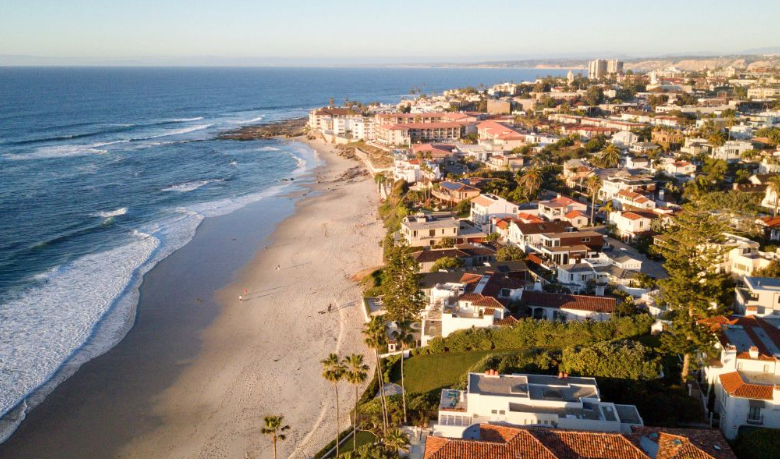
For most deponents living anywhere in San Diego County, a La Jolla venue falls comfortably inside the distances section 2025.250 allows, which removes venue as a point of dispute before anyone raises it. The office provides a neutral, private setting for depositions and arbitrations, which matters when neither side wants to sit in the other’s conference room.
Reporters Who Can Certify What They Took Down
NAEGELI’s La Jolla court reporters bring advanced skills and substantial courtroom experience, and the firm has operated under founder and CEO Marsha J. Naegeli, CCR, CMRS, CRI, since 1980. Real-time reporting is available for counsel who want the record visible as it forms, which also enables immediate readback when a technical answer needs clarifying on the spot. Rough draft transcripts serve teams that need working text before the certified version is ready, and daily copy is standard rather than an upcharge scramble.
Locking In Coverage Before It Is Gone
Given how tight reporter availability has become statewide, scheduling early is the single most effective thing a legal team can do to protect a calendar. Dedicated case managers handle booking and stay reachable at any hour, and the firm’s coverage runs around the clock, which is what makes short-notice depositions and emergency hearings survivable rather than merely stressful.
Remote and Interpreted Proceedings
Because a CSR’s license carries oath authority remotely, properly run remote depositions are fully viable in California practice. NAEGELI runs them on secure, industry-standard cloud platforms with dedicated video technicians present throughout, and its reporters are experienced with telephonic and interpreted depositions specifically, which is a different discipline from a straightforward in-room examination. Interpretation and translation are available in more than 200 languages for testimony, recordings, and documents.
Delivery, Formats, and Confidentiality
Transcripts arrive on time in whatever format the case requires, a flexibility that sounds minor until a review platform demands something specific. Video from certified videographers is synchronized to the transcript with keyword search and exportable clips. Document work covers legal copying and scanning, electronic forensics, trial binder production, and secure destruction, with HIPAA-certified processes and encrypted repositories rather than open email. Transcription converts any recording into a certified transcript, reviewed and verified before it goes out, and transcript summaries reduce long records to organized digests with key testimony marked.
Carrying It Into the Courtroom
Trial presentation specialists integrate documents, photographs, graphics, video, and animation into courtroom presentations, supporting cases from discovery through verdict and appeal. A record built correctly at the deposition stage is what makes that final step straightforward.