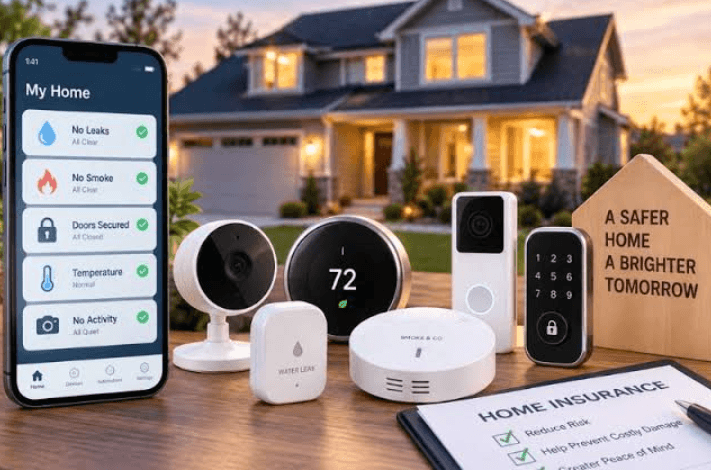
Water leaks aren’t always as obvious as a dripping faucet or a puddle on the kitchen floor. A small leak behind a wall or underneath an appliance can go unnoticed for weeks, potentially causing extensive damage before anyone realizes there’s a problem.
Smart home technology is helping homeowners become less reliant on spotting these traditional warning signs. Connected sensors, automated shut-off valves, and intelligent monitoring systems are making it possible to identify plumbing problems much earlier.
Detecting Problems Before They Become Visible
Traditional leak detection often begins when homeowners notice damp patches, musty odors, or unexplained increases in their water bills. Unfortunately, water damage may have already occurred by this stage.
Smart monitoring devices can identify unusual water usage patterns and alert homeowners to potential problems. For residents researching plumbing Meridian Idaho services, these alerts could provide valuable information when arranging a professional inspection. A plumber can investigate the underlying issue rather than relying solely on visible signs of damage.
Technology cannot replace professional expertise, but it can help homeowners recognize when something needs attention.
How Wireless Water Sensors Work
Wireless water sensors are among the simplest smart home devices to install. These small units can be positioned beneath kitchen sinks, behind washing machines, near water heaters, or anywhere else where escaping water might collect.
When moisture comes into contact with the sensor’s detection points, the device can trigger an alarm or send a notification to a connected smartphone. Some models also monitor temperature, which can be useful in areas where freezing pipes are a concern during winter.
For homeowners who travel frequently, receiving an immediate notification while away from home can be especially valuable.
Automatic Shut-Off Systems Offer Additional Protection
Knowing that a pipe has burst is useful, but being able to stop the water supply remotely could make an even bigger difference.
Some smart leak detection systems incorporate motorized valves that automatically shut off the water supply when suspicious activity is detected. Others allow homeowners to control the valve through an app.
Whole-home systems can also monitor water flow, helping identify patterns that might indicate a hidden leak. However, these devices require proper installation and configuration to distinguish between normal household activities and potential emergencies.
Using Data to Understand Household Water Consumption
One interesting benefit of smart water monitoring is the amount of information it provides about everyday usage. Homeowners can review consumption patterns and identify changes that might otherwise go unnoticed.
For example, consistently running water overnight could indicate a faulty toilet, while unexpected increases in consumption might warrant further investigation. Having access to this data can encourage more informed decisions about household maintenance and water conservation.
See also: How to make smarter technology decisions in a complex market
Remember the Importance of Regular Maintenance
Smart devices still have limitations. Batteries need replacing, internet connections can fail, and individual moisture sensors only detect water that reaches them. Regularly testing equipment and checking accessible pipes remains worthwhile.
As connected home technology becomes more accessible, water monitoring is becoming a practical addition to everyday property maintenance. Combining these tools with routine inspections and timely professional repairs can help homeowners protect their properties while gaining a better understanding of what happens behind their walls.